

From Blinking Symbols to Warnings: How to Interpret Toyota Dashboard Lights
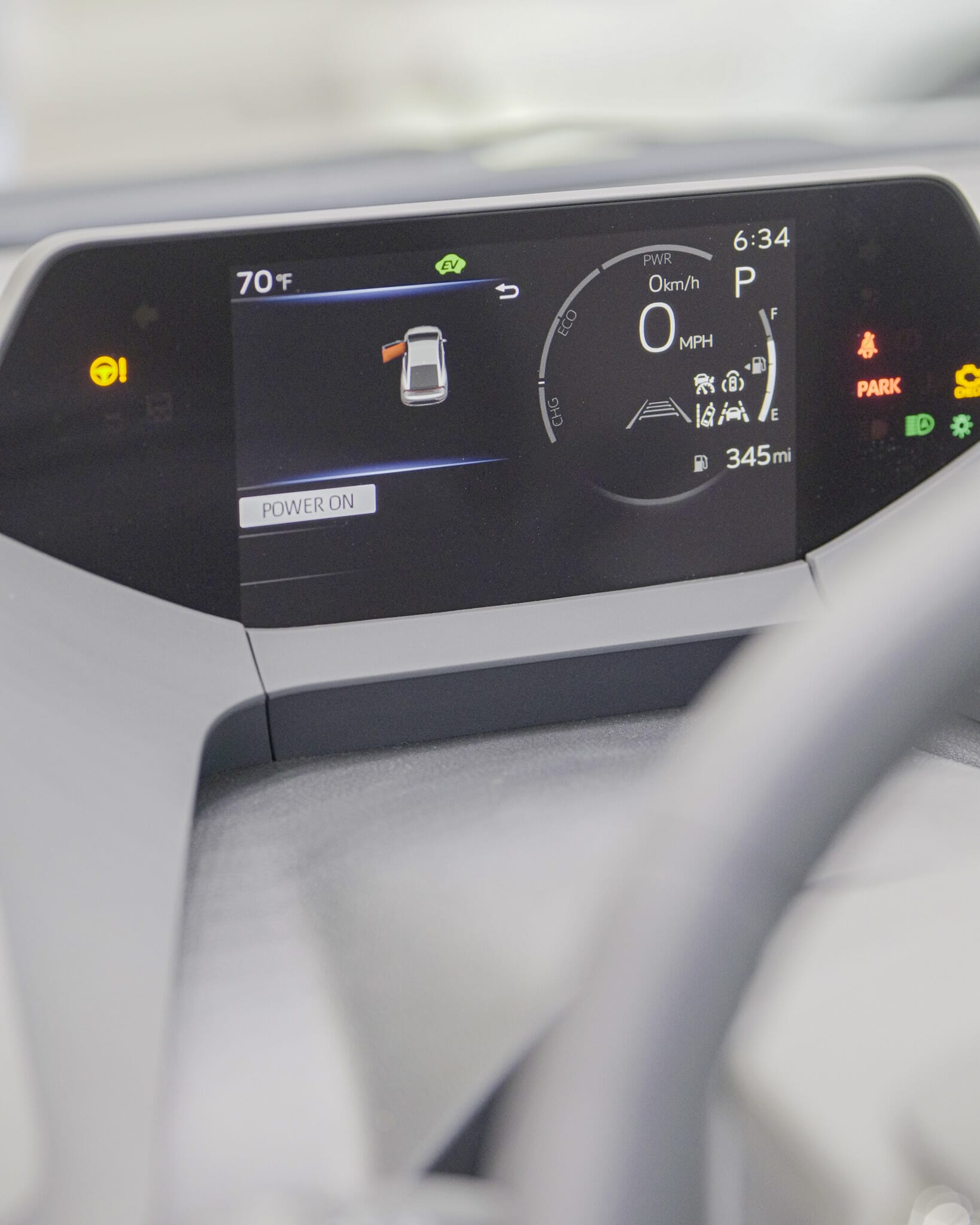
From blinking symbols to warnings, understanding the dashboard lights in your Toyota can be a daunting task. As a Toyota owner, it’s essential to know what each light means and how to interpret them accurately. In this article, we will guide you through the various dashboard lights found in Toyota vehicles and help you decipher their meanings.
Whether it’s the infamous check engine light, the tire pressure warning, or the oil indicator, these dashboard lights are designed to alert you when there’s an issue with your vehicle. Ignoring or misunderstanding these indicators can lead to potential problems, costly repairs, or even safety hazards.
Our team of experienced mechanics and Toyota enthusiasts will explain each dashboard light and provide insights into common issues associated with them. We will also share tips on what to do when a particular light illuminates and how to address the problem efficiently.
Don’t let the complexity of Toyota dashboard lights overwhelm you. With our comprehensive guide, you’ll be able to navigate through the warning signs with confidence, ensuring your Toyota stays in top-notch condition. So, let’s dive in and decode those blinking symbols together.
Common Toyota dashboard lights and their meanings
Toyota vehicles are equipped with a range of dashboard lights that serve as warning indicators for various systems and components. Understanding the meanings behind these lights is crucial for maintaining the health and performance of your vehicle.
Check Engine Light: Perhaps the most notorious of all dashboard lights, the check engine light can indicate a wide range of issues. It typically illuminates when there’s a problem with the engine or emissions system. While it’s tempting to ignore this light, doing so can lead to more severe damage and costly repairs.
Tire Pressure Warning: This light resembles an exclamation mark inside a horseshoe and illuminates when one or more tires have low air pressure. Driving with underinflated tires can negatively impact fuel efficiency, tire wear, and even lead to a blowout. It’s crucial to address this warning promptly by checking and adjusting the tire pressure.
Oil Indicator Light: The oil indicator light, often shaped like an oil can, alerts you to low engine oil levels or issues with the oil pressure. Insufficient oil levels or poor oil pressure can lead to engine damage and reduced performance. If this light comes on, it’s important to check the oil level and top up if necessary or seek professional assistance.
Battery Warning Light: The battery warning light, usually depicted as a battery-shaped symbol, indicates an issue with the charging system. This could be due to a faulty battery, alternator, or other electrical components. Ignoring this light may result in a dead battery, leaving you stranded on the roadside.
Understanding warning lights
When a dashboard light illuminates, it’s natural to panic or feel confused. However, understanding the purpose of these warning lights can help you stay calm and take appropriate action.
Dashboard lights are categorized into three main types: warning lights, indicator lights, and system lights. Warning lights, such as the check engine light and the tire pressure warning, indicate a problem that requires immediate attention. Ignoring these lights can lead to severe damage or safety hazards.
Indicator lights, on the other hand, provide information about specific vehicle functions or features. Examples include the high beam indicator, cruise control indicator, and turn signal indicator. While these lights are not as urgent as warning lights, it’s still essential to address any issues related to them to ensure optimal vehicle performance.
System lights, such as the ABS light or the traction control light, indicate the status of specific systems in your vehicle. These lights often illuminate when there’s a malfunction or a disabled feature. While they may not require immediate attention, it’s crucial to have them checked to maintain the safety and functionality of your Toyota.
Importance of addressing dashboard lights promptly
It’s easy to dismiss a dashboard light or assume it’s a minor issue. However, neglecting or delaying the necessary actions can have severe consequences.
Firstly, addressing dashboard lights promptly can prevent further damage to your vehicle. Many warning lights indicate potential issues that, if ignored, can cause significant damage to the engine, transmission, or other vital components. By taking immediate action, you can minimize repair costs and extend the lifespan of your vehicle.
Secondly, prompt action ensures your safety on the road. Warning lights, such as the ABS light or the airbag light, indicate potential safety hazards. Ignoring these lights can compromise your ability to brake safely or protect yourself in the event of a collision. It’s crucial to address these issues promptly to protect yourself, your passengers, and other road users.
Lastly, addressing dashboard lights promptly can help you maintain optimal fuel efficiency. Many warning lights, such as the tire pressure warning or the check engine light, directly impact fuel consumption. By resolving these issues promptly, you can ensure your Toyota operates at its most efficient, saving you money on fuel costs in the long run.
How to interpret blinking symbols
In addition to solid illuminated lights, some dashboard lights may blink or flash. Understanding the meanings behind these blinking symbols is essential for accurate interpretation.
Blinking Check Engine Light: If your check engine light is blinking, it indicates a severe issue with the engine that requires immediate attention. This could be due to a misfire, a catalytic converter problem, or other critical engine malfunctions. Continuing to drive with a blinking check engine light can cause further damage and potentially leave you stranded.
Blinking Tire Pressure Warning: When the tire pressure warning light blinks, it signifies a fault in the tire pressure monitoring system (TPMS). This could be due to a malfunctioning sensor or a system error. It’s crucial to have the TPMS inspected and repaired to ensure accurate tire pressure measurements and safe driving conditions.
Blinking Oil Indicator Light: A blinking oil indicator light typically indicates a severe issue with the engine oil pressure. This could be due to a faulty oil pump, a clogged oil filter, or low oil levels. Driving with a blinking oil light can cause irreparable engine damage. It’s vital to turn off your engine immediately and seek professional assistance.
Blinking Battery Warning Light: If your battery warning light is blinking, it indicates a charging system malfunction. This could be due to a faulty alternator, a loose or damaged belt, or a battery issue. Continuing to drive with a blinking battery light can result in a discharged battery and a vehicle that won’t start. It’s essential to have the charging system inspected and repaired promptly.
What to do when a warning light comes on
When a warning light illuminates on your Toyota’s dashboard, it’s crucial to take appropriate action to prevent further damage or safety hazards. Here are the steps you should follow when a warning light comes on:
1. Stay calm and observe: As soon as a warning light comes on, remain calm and observe any changes in your vehicle’s performance or behavior. This information can help you communicate effectively with a mechanic when seeking assistance.
2. Check the owner’s manual: Consult your Toyota’s owner’s manual to understand the meaning and potential causes of the specific warning light that has illuminated. The owner’s manual provides valuable information on the actions you should take and the severity of the issue.
3. Take immediate action: Depending on the severity of the warning light, you may need to take immediate action. For example, if the check engine light is blinking or if the oil indicator light is illuminated, it’s essential to turn off your engine and seek professional help.
4. Address the issue promptly: Whether it’s a minor issue or a severe problem, it’s crucial to address the underlying cause of the warning light promptly. This may involve scheduling a visit to your trusted mechanic or contacting roadside assistance for immediate support.
5. Keep a record: After addressing the warning light, keep a record of the actions taken, including any repairs or maintenance performed. This record can be helpful for future reference and can assist your mechanic in diagnosing any recurring issues.
6. Regularly monitor your vehicle: Even after addressing a warning light, it’s important to regularly monitor your vehicle for any changes or new warning signs. Regular maintenance and inspections can help prevent future issues and ensure the ongoing health of your Toyota.
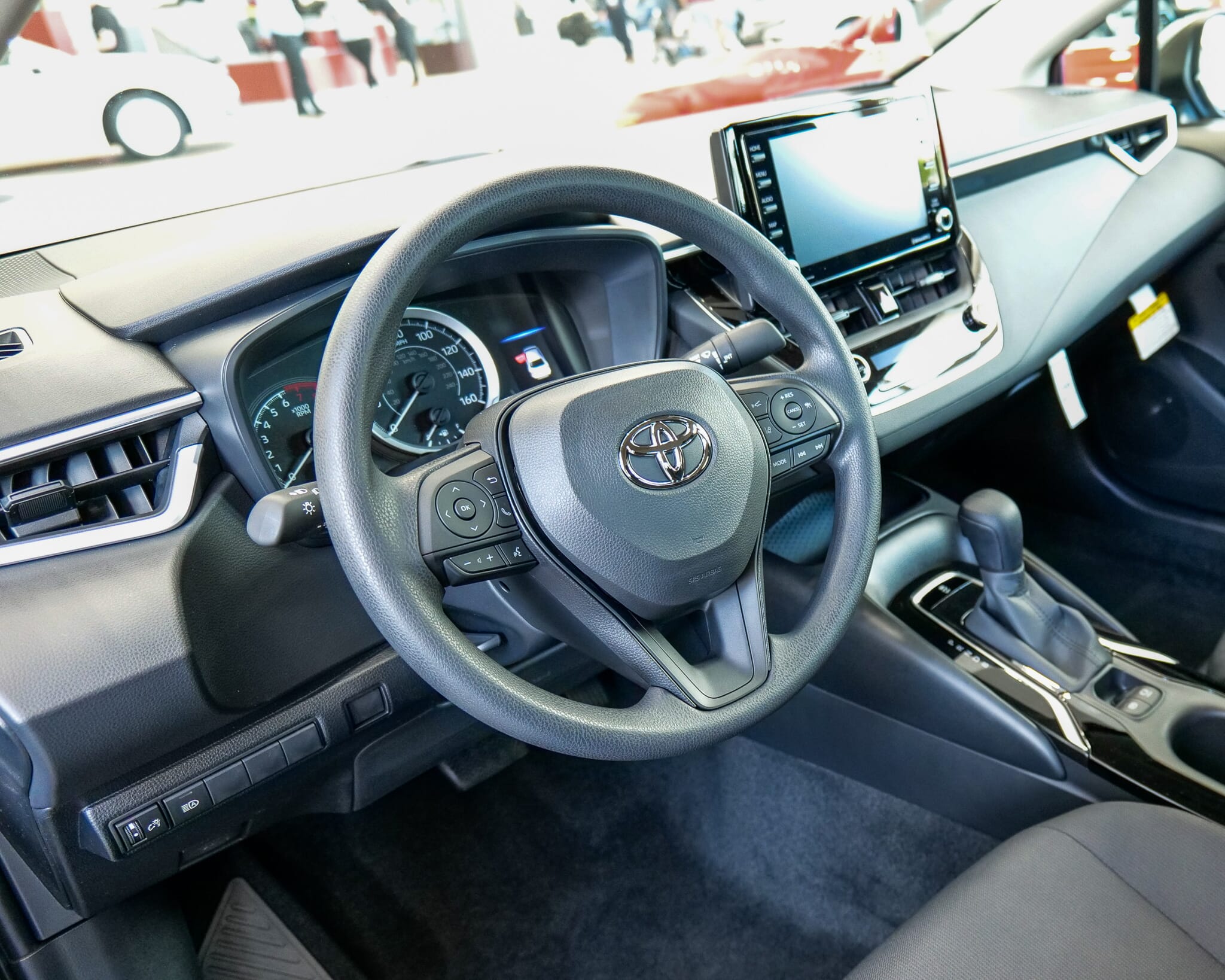
Tips for preventing dashboard light issues
While some dashboard light issues are unavoidable, there are steps you can take to minimize the occurrence of warning lights and maintain the health of your Toyota. Here are some practical tips to consider:
1. Regular maintenance: Follow the recommended maintenance schedule provided by Toyota for your specific model. Regular servicing, including oil changes, fluid checks, and filter replacements, can help prevent potential issues that trigger warning lights.
2. Check fluid levels: Routinely check the levels of essential fluids in your vehicle, such as engine oil, coolant, and brake fluid. Maintaining proper fluid levels can prevent warning lights associated with low fluid levels or poor fluid quality.
3. Monitor tire pressure: Keep a tire pressure gauge handy and check the tire pressure regularly. Underinflated or overinflated tires can trigger the tire pressure warning light and affect your vehicle’s performance and fuel efficiency.
4. Address minor issues promptly: If you notice any unusual sounds, smells, or performance changes in your Toyota, don’t ignore them. Addressing minor issues promptly can prevent them from escalating into major problems that trigger warning lights.
5. Use quality parts and fluids: When replacing parts or fluids in your vehicle, always use genuine Toyota parts and recommended fluids. Using low-quality or incompatible products can lead to malfunctions and trigger warning lights.
6. Drive responsibly: Avoid aggressive driving behaviors, such as harsh braking or rapid acceleration, as these actions can put excessive stress on your vehicle’s systems and components. Driving responsibly can help prevent warning lights associated with excessive wear or damage.
Resources for further information on Toyota dashboard lights
If you want to dive deeper into the world of Toyota dashboard lights or seek additional information, here are some valuable resources to explore:
1. Toyota Owner’s Manual: Your Toyota’s owner’s manual is an invaluable resource for understanding the meanings and actions associated with dashboard lights. It provides detailed information specific to your vehicle model.
2. Toyota Service Center: The service center at your local Toyota dealership can provide expert advice and assistance regarding dashboard lights and any other vehicle-related queries. They have access to the most up-to-date information and can help diagnose and resolve dashboard light issues.
3. Online Toyota forums: Online forums dedicated to Toyota owners and enthusiasts are an excellent source of information and community support. Engaging with fellow Toyota owners can provide insights and guidance on dashboard light issues and solutions.
4. Toyota official website: The official Toyota website often features resources and articles on various vehicle-related topics, including dashboard lights. It’s a reliable source of information straight from the manufacturer.
Conclusion
Don’t let the complexity of Toyota dashboard lights overwhelm you. With our comprehensive guide, you’ll be able to navigate through the warning signs with confidence, ensuring your Toyota stays in top-notch condition. Remember to address dashboard lights promptly, understand their meanings, and take appropriate action to prevent further damage or safety hazards. By staying proactive and informed, you can enjoy a safe and reliable driving experience in your Toyota for years to come.
Book your car service at:Service Center
0 comment(s) so far on From Blinking Symbols to Warnings: How to Interpret Toyota Dashboard Lights